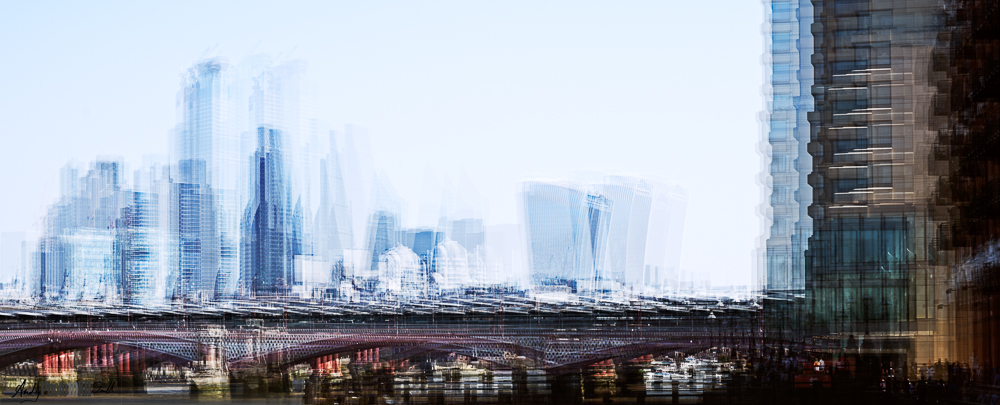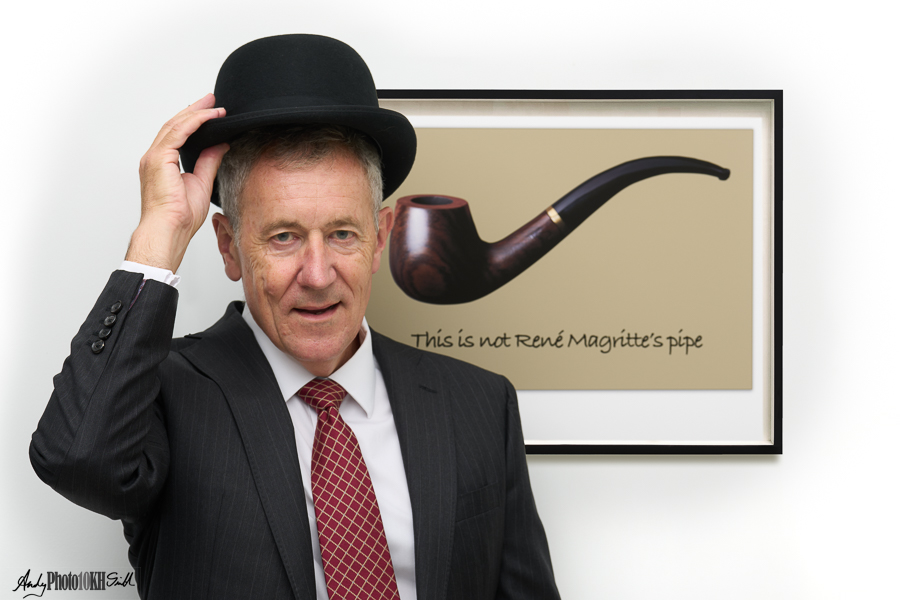
Having now completed 10,000 hours of deliberate practice learning photography, this post reflects on the journey that took me from hobbyist to Fellowship of the Royal Photographic Society, and acceptances and awards in international salons
I am deeply indebted to many individuals, who I have not mentioned for fear of missing someone important, but they will, I hope, recognise themselves here
Overview
When I started this project, on 1st November 2017, I wrote “Purpose of this Blog” which defined my key objectives to:
- enjoy my photography and become the best photographer I can be
- share what I learn with anybody who’s interested
- test the 10,000 hour rule
By defining the categories of photography that interest me, “becoming the best photographer I can be”, was refined to mean “creating new and original art photography”
Structure of this post:
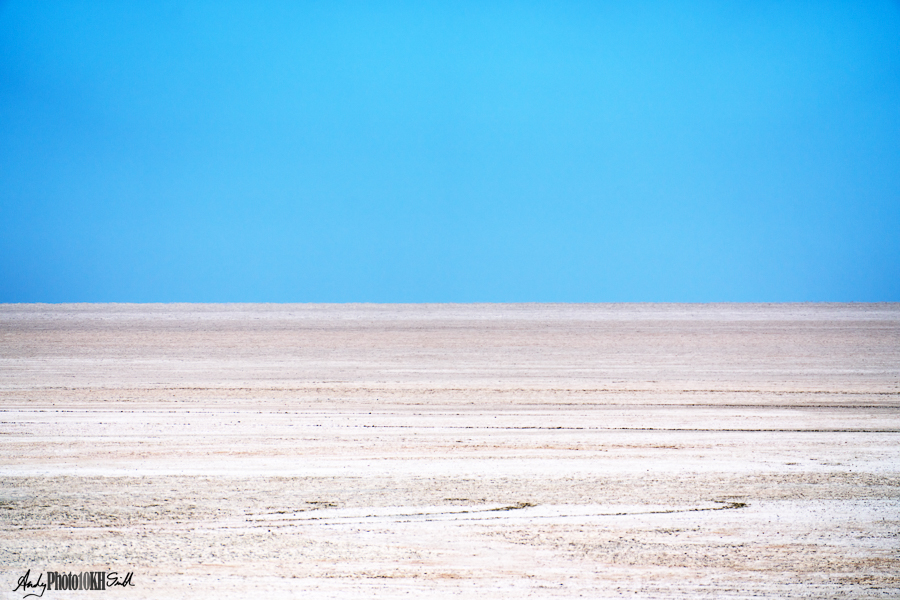
“Etosha Salt Pan I”, left, gives a sense of the infinite and reflects my interest in the abstract component of art photography
Whilst I refer to posts written at intermediate milestones such as “5,000 Hours – Half Way” and the revised goals I set in these, this post aims to wrap up the project as a whole
Background
Ten thousand hours of deliberate practice is the theoretical minimum required to achieve mastery in any field of endeavour, according to the theory proposed by Dr K. Anders Ericsson, et al. of Florida State University in 1993, and popularized by Malcolm Gladwell in his book “Outliers” (2008)
The key phrase is “deliberate practice,” which means time spent actively trying to improve upon past performances: actively getting feedback from the field, changing working practices and experimenting by building upon skills acquired from already accepted experts
Part of the purpose of this project was to test this theory. The purpose of this post is to report the results
Method
At the start of this project I defined the detail of “What Counts” as deliberate practice under the following activity categories:
- Shooting – including planning
- Processing – photographic post processing and entering competitions
- Writing up – reviewing what I have done and learnt; primarily writing posts, writing up this journal or, increasingly, giving presentations
- Learning – everything from workshops, attending camera clubs, art exhibitions, to watching photography channels on YouTube.
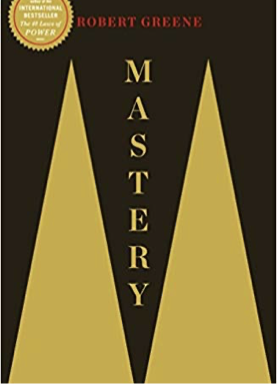
Robert Greene, in his book, Mastery, left, defines three modes of apprenticeship:
- Deep Observation – Passive
- Skills Acquisition – Practice
- Experimentation – Active
This book was recommended to me by Sean Tucker when I first met him at his “InstaWalk” on 8th July 2018, and supports the categories of activity I selected. I have added “writing up” which I believe is a reflective activity essential to learning
Learning from established experts is a key part of the process. So in addition to the Stoke Poges Photographic Club (SPPC), I also joined the Amersham Photographic Society (APS) which is one of the largest and most established clubs in the country with many master photographers amongst its membership. Between these two clubs:
- I was exposed to high quality work
- frequently astonished by the generosity of members sharing their expertise regarding:
- subject selection and composition
- in-camera technique
- post-processing
- honest and constructive feedback
This gave me structured learning activities 4 times a week, which I supplemented with courses from the Royal Photographic Society (RPS) and elsewhere. Most importantly, membership of these clubs gave me access to expert mentors and feedback on the work I was creating
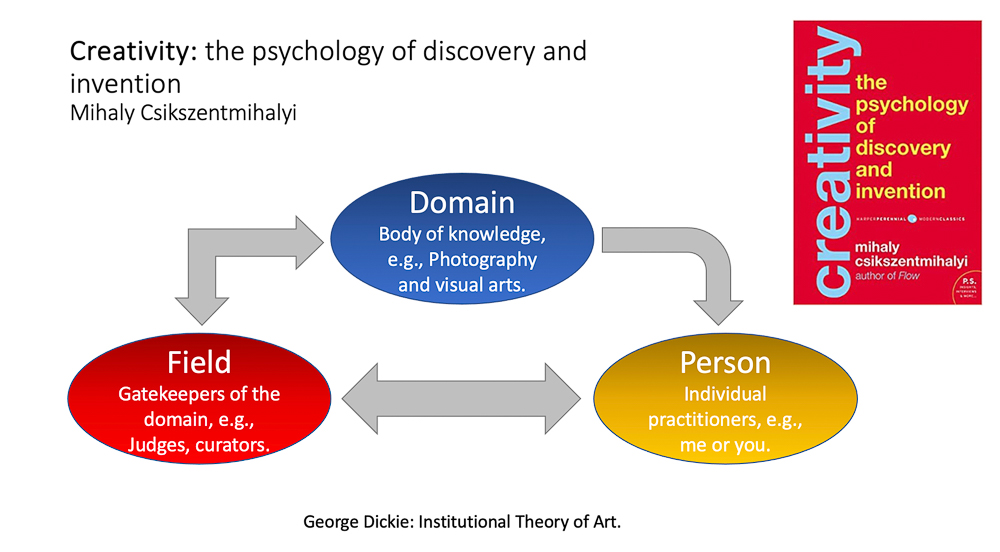
I have found this diagram useful in thinking about what I have gained from my association with these clubs and how they have helped me interact with the art world
Time Allocation
The activity types that “count” towards this project were discussed in the previous section. This section deals with how my time was split between these activities
The pie chart, right, shows how my 10,000 hours were divided between the four activity categories
The chart below shows how this has varied (quite widely) between each of the 100 blocks of 100 hours of time
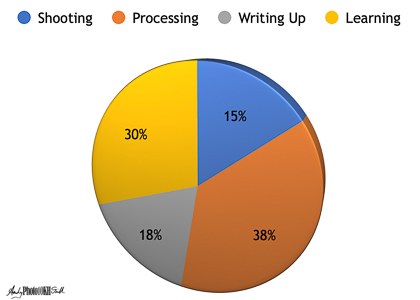
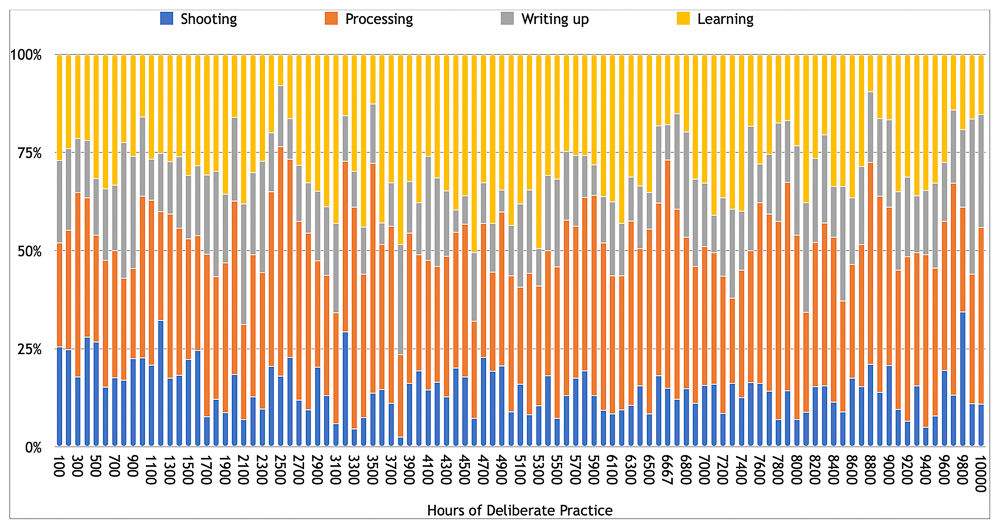
The above shows:
- time spent processing images exceeds twice that of shooting them. This is explained mainly by my interest in creative photography
- writing up and learning have proportionally remained fairly constant across the project. However the nature of these activities has changed. In particular, at the start of the project a lot of time was spent learning through attending courses and watching YouTube videos. As time went on this was replaced by attending art galleries and exhibitions
Results
Distinction and Recognition
Achieving a Fellowship of the Royal Photographic Society, at hour 9,773, was the highlight of this project (see “Fellowship of the Royal Photographic Society“) and is as good an indicator of mastery as there is. For clarity I’m suggesting that an FRPS is a sufficient, but not necessary, indicator of mastery. There are many master photographers who do not have an FRPS or indeed any distinctions. However, all fellows of the RPS are master photographers
But it wasn’t an easy path …

My progress in achieving RPS qualifications:
- October 2018 – failed the first, Licentiate, level of RPS distinction “My Failed LRPS Submission“
- March 2019 – “My Successful LRPS Resubmission“
- March 2023 – Failed Associate qualification for Landscape photography
- October 2023 – passed – “Road to an RPS Associateship in Landscape Photography“
- March 2025 – awarded a Fellowship in Contemporary Photography
I have also been awarded 14 medals from the 171 international salons I have entered, and have sufficient acceptances for a Certificate of Excellence from the Fédération International de l’Art Photographique (EFIAP), mostly for images outside my fellowship panel
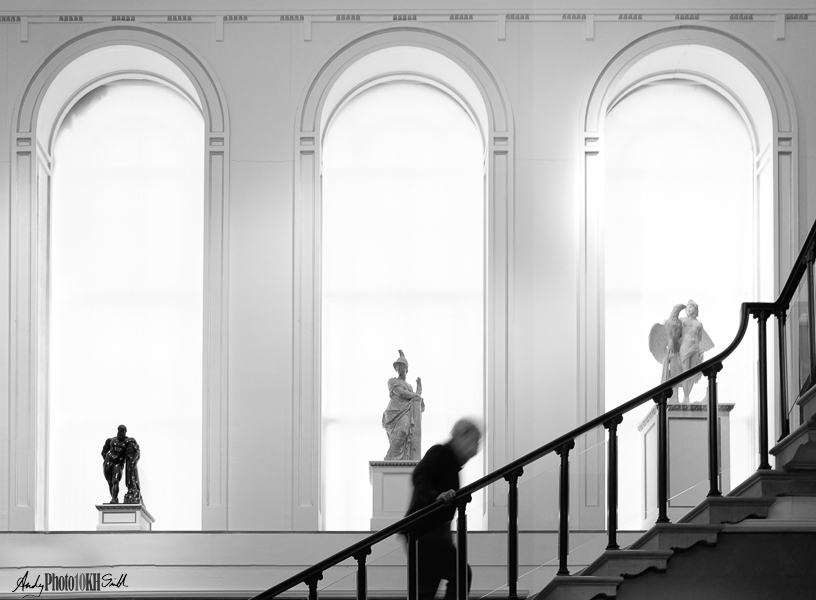
“Hard Climb”, right was awarded the Judges’ Choice at the 2023 New York Photo Association Salon in the Monochrome category
Technical Skills
When I started this project I thought I had “good technical skills” and was a “black belt in Photoshop.” I now wince at this statement as I realise how little I knew. Now, I have a little more evidence to support my self belief in this area including the fact that my fellowship panel was praised for its “Technical Excellence”
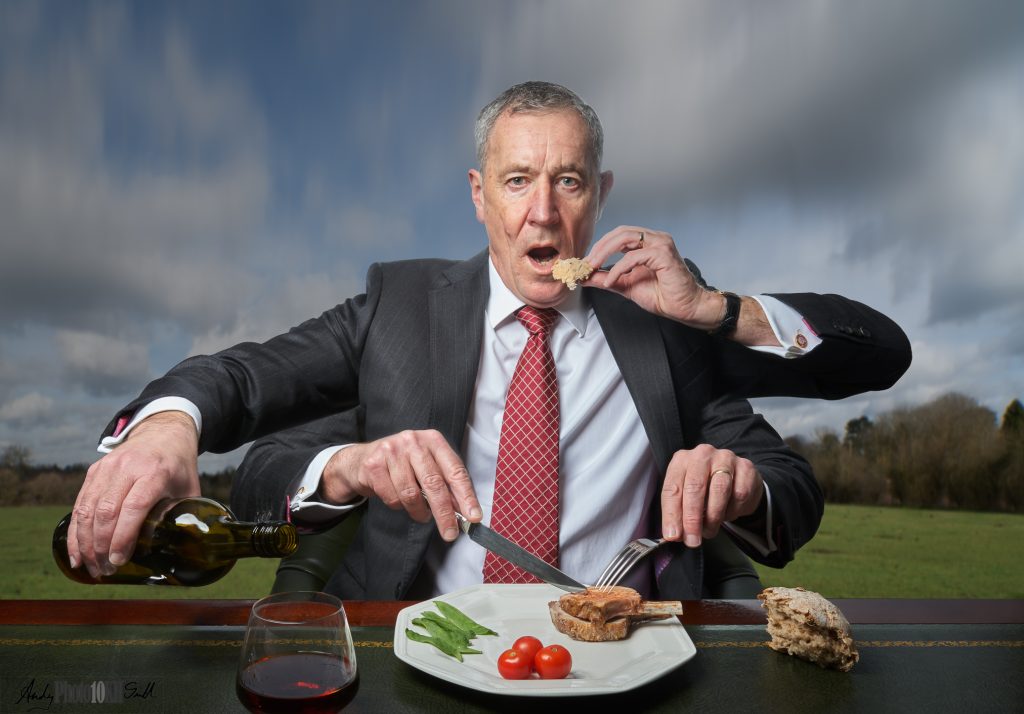
“Surrealist Lunch” above has won awards in international salons in addition to being part of my fellowship panel
Art Knowledge and Appreciation
My post, “2025: Top 10 Painters” shows a greater appreciation of the art than the original “Top 10 Painters“, written in 2017/8, which considered only popular works by famous artists. So, my general art knowledge is improving. More specifically, my fellowship panel was based on an understanding of surrealism and the work of the surrealist painter René Magritte (1898-1967)
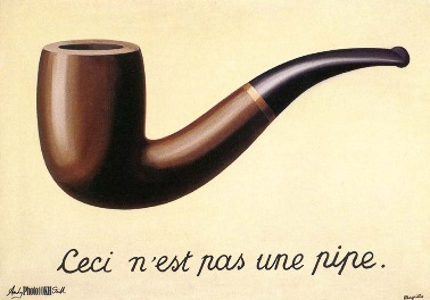
Magritte’s, 1929, Treachery of Images, right, can be interpreted at several levels. Superficially, it’s not a pipe it’s a painting of a pipe – sure
The dominant, symbolist, philosophy of the time placed a great significance on the distinction between the “signifier” (picture of the pipe and the word “pipe”) and the “signified” which is the concept in one’s mind of a pipe
The painting is intended to make the viewer feel uncomfortable and to think about these ideas
Magritte’s work prefigured the structuralism movement and conceptual art such as Joseph Kosuth’s, 1965, One and Three Chairs which is an installation of:
- a real chair
- a photograph of that chair
- a dictionary definition of the word “chair”
My reinterpretation of Magritte’s painting, in the subject image of this post, is central to my panel, both physically and conceptually. I’m not copying his work, I’m merely borrowing his symbolism, in a completely different medium, to create a version for the 21st century
Conclusion
Criticism of the 10,000 hour theory often centres around the fact that the original research was done on violin players and might not apply to other fields, particularly where there is more physical requirements. A much publicised attempt to record 10,000 hours of learning golf was thwarted when the player started to suffer back injuries – see “The Dan Plan.” Photography is less physical and I fortunately have not suffered any accidents, injuries or illnesses that have prevented me from deliberate practice, even for a single day in the last 7½ years
After 10,000 hours it is clear I have improved:
- appreciation of what makes a good photograph
- understanding of art history, particularly modern and contemporary art
- photographic skills, particularly interacting with and posing subjects
- lighting and other techniques at the shooting stage
- post processing
From an academic perspective, a sample size of one is statistically insignificant, and proves absolutely nothing. However, I believe that this is the first time that anybody has kept a contemporaneous record of learning anything for 10,000 hours and is, I hope, interesting in that respect
What’s Next
One thing that the past 7½ years have given me is a clearer understanding of my interests in photography and art in general. So my mission is reframed as becoming the best contemporary art photographer that I can be, and contributing as much as I can to this field
Notes:
- At Zero Hours
- After 100 Hours
- After 250 Hours
- After 500 Hours
- After 1,000 Hours
- The First 2,500 Hours – Review at 25%
- Time Analysis at 3,000 Hours
- The First 4,000 Hours – Review at 40%
- Half Way – After 5,000 Hours
- Two Thirds of an Expert Photographer
- After 8,000 Hours – 80% Review
- 9,000 Hours – 90% Review