Following on from previous attempts at defining art, this post has been prompted by my recent encounter with 3 controversial statements:
- Matt of the vlog channel Creative Deep Dents, who categorizes abstract art by the motivation of the artist to enhance the impact on one of the following:
- The Eye: visual experience
- The Heart: emotional directness
- The Spirit: expression of the unconscious in the Jungian sense, including the supernatural and collective unconscious
- The Mind: ideas and concepts that are more important than the expression them – “makes you think, doesn’t it?”
- The World: art that influences society
- David Hockney, “Does art progress? Not many think it does do they?”
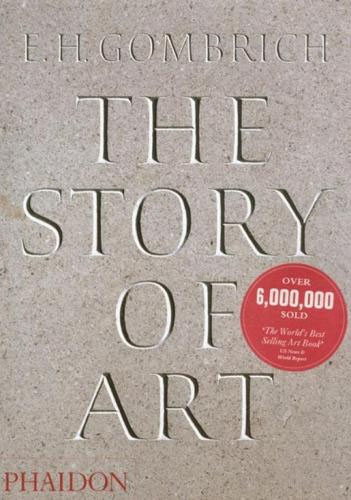
- Professor Sir E.H. Gombrich, whose magnum opus “The Story of Art” opens with the line: “There really is no such thing as art. There are only artists” and by page 630 concludes that “the more we generalize about art, the more likely we are to go wrong”
Creative Deep Dents: 5 Motivations
If we start with Matt’s 5 motivations. I think this is a useful framework for interpreting not only completely non-objective art, but anything where the purpose is more than to record a factual statement of what something looks like. It is perhaps interesting to consider my definition of art when I started this project as merely “emotional communication.” [See “What is Art?” 31/10/2017]. So this framework feels more complete.
As a landscape photographer, the tools at my disposal when trying to find, what Melissa Brown calls “pearls of abstract art in the natural environment” are:
- framing, including depth of focus, to determine what to include/ exclude
- viewpoint and lens choice, to organise the elements in the picture
[I exclude from this list “waiting for the right light”, which, whilst undoubtably important, is not within the photographer’s control]
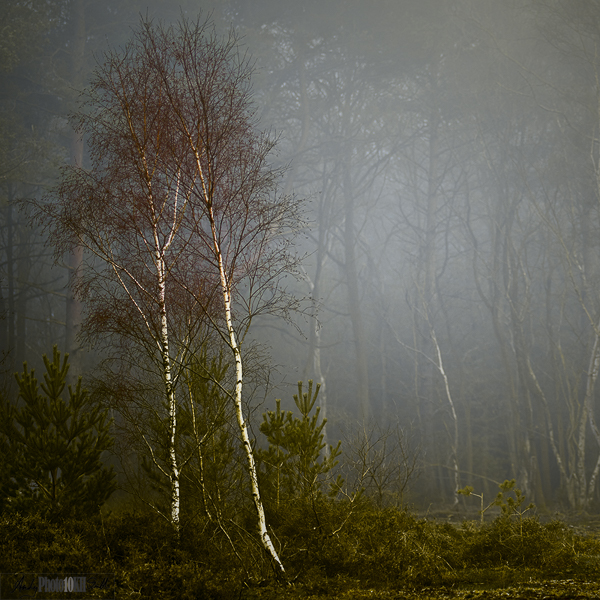
My objective when creating the image, left, for my Associate panel for the RPS, was to capture the meditative mood and sense of melancholy. There is no sky and the morning mist hides all but a small isolated group of trees
So in Matt’s terms my primary motivation with this image is to influence The Heart
As a creative photographer, I have more control:
- slow shutter speeds allow me to blur some or all of the image
- combine and rearrange elements from multiple images
The key question is: why am I doing this? Blurred images can be address motivations to influence the Eye, Heart or Spirit. Whereas the rearrangement of elements, as in my Magritte inspired work, is usually for conceptual reasons
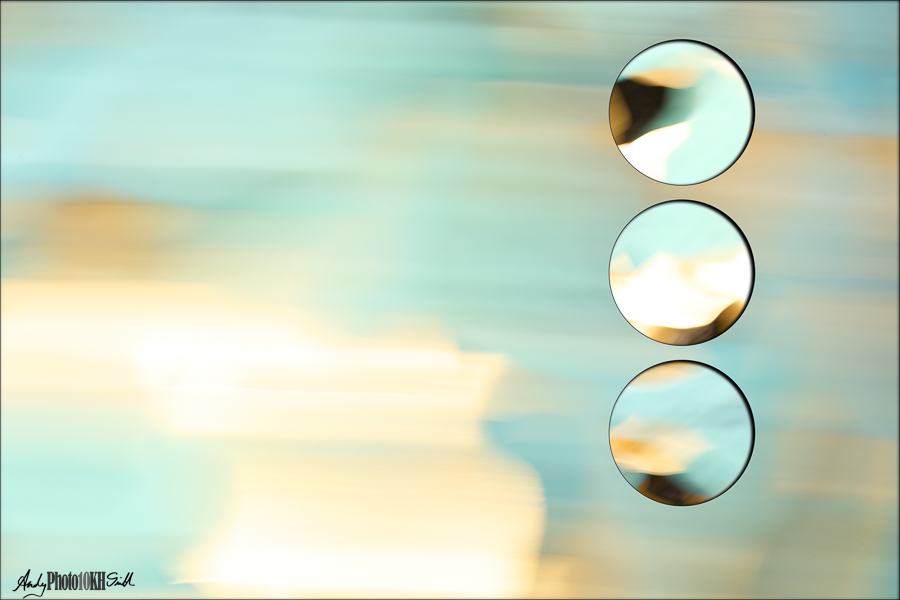
My motivations with “Three Dots Morning Portal” were:
- The Eye: a visually interesting picture
- The Mind: explore the concept of a portal representing a point of departure from one state to another
- The Spirit: inviting the viewer to explore the image from a meditative state
This is an attempt to step towards what Rothko described as “not a picture of an experience, but a picture that is the experience”
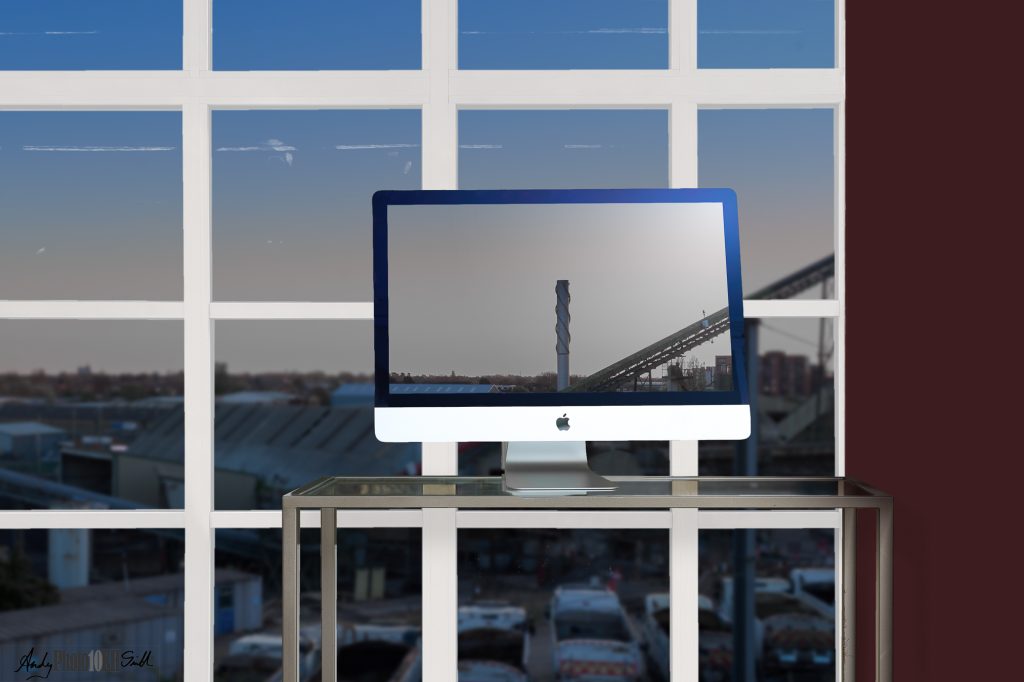
My Fellowship panel image “The Industrial Human Condition”, left, is a reinterpretation of Magritte’s 1933 “The Human Condition.” Both picture show a screen (painting in Magritte’s case), showing exactly that portion of the landscape outside the window that it, itself hides. As Magritte said, “everything we see hides another thing, and we always want to see that which is hidden by what we see”
In my picture we are in a comfortable, if slightly sterile, modern room, viewing the dystopian world outside on our high-end computer screen
My motivation, like Magritte’s, was to influence The Mind
The World: As far as is possible my work is politically neutral and I do not attempt to influence society with my pictures. For well known contemporary examples I point to the works of Banksy or Jean-Michel Basquiat, or the many artists highlighting the injustice perpetrated on minority groups
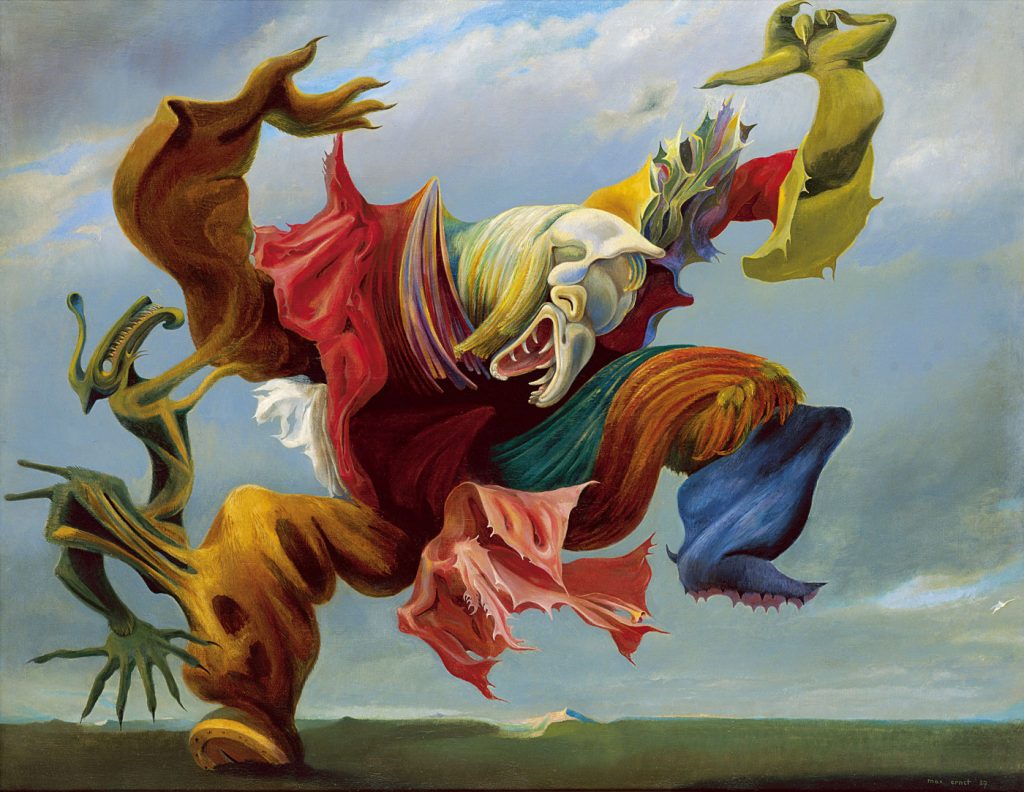
Max Ernst’s, 1937, “Fireside Angel”, often called “The Failure of Surrealism” warns against the rise of fascism
Both Dada and Surrealism were closely linked with socialism. André Breton travelled to Mexico to meet Trotsky and co-authored the Manifesto for an Independent Revolutionary Art with him and Diego Rivera. Salvador Dali, by contrast, was expelled from the French Surrealists for his close ties with the fascist Francisco Franco
David Hockney: “Art Does Not Progress”
In his book, A History of Pictures, Hockney says “Does art progress? Not many really think it does, do they?” From this it is important to provide a bit of context:
- Hockney uses the term Art almost interchangeably with Picture-making
- Art is contrasted with science where later knowledge supersedes and improves upon earlier knowledge. New tools or techniques in art, expand the vocabulary without diminishing, or making obsolete, earlier works
- Progress implies a cumulative directional model
The above does leave room for art (as defined by Hockney, i.e., the resulting picture) to “get better” or “improve” with the advancement of new tools and techniques.
If we define art in terms of the motivation of the artist producing the work, this is then separated from the tools and techniques they employ. So art then, fundamentally, does not change
Art is again defined by the motivation of the artist
E.H. Gombrich
Professor Sir Ernst Hans Josef Gombrich is arguably the most influential art historian of all time. His book, “The Story of Art”, originally Written in 1950, is still regarded as the most accessible introduction to art history. The book is also famous for its opening statement:
There really is no such thing as art. There are only artists”
This strikes me as entirely consistent with the above
Review and Critic of Previous Posts

My first post, “What is Art?“, written in October 2017 just before the start of this 10,000 hour project, suggested that art might be defined simply as “emotional communication”. At the time I felt that this was flawed, I see now is both incomplete and frankly wrong
My second post: “Revised Thoughts on Art“, written in July 2023, was much more academic and included various theories of art in a historical context, and some practical tips for differentiating good art from bad. It conclusion that:
- “Art is the property of a work that conveys a truth, beyond the merely factual, that appeals to our basic human psyche”
Consistent with the first 3 definitely, 4 maybe, of the Creative Deep Dents motivations
Conclusion – Revised Definition
My previous definition is made less vague and more useful, if expressed in terms of the artist’s motivations:
- “Art is that quality of a work which, devoid of objective representation and technical skill, stimulates in the viewer an emotional, spiritual, or philosophical response”
I have excluded both the first and the last of the Creative Deep Dent motivations on the following grounds:
- a visually stimulating image, such as the work of Bridget Riley, triggers both an emotional and philosophical response. Op art amuses us with perceptual tricks; similarly, cubism pleases us with a rearrangement or distortion of pictorial elements
- using one’s work to change the world, is not, in my opinion, a determinant of artistic merit
By separating art from, the thing that is being represented (if anything), and the techniques and skill with which that representation is created, we have defined, or at least honed in on, it’s otherwise ineffable nature. It is also easier to identify with Hockney’s contention that this hasn’t changed since the days of cave painting
However, I am chastened by Professor Gomrich’s later comment:
- “the more we generalize about art, the more likely we are to go wrong!”