• Home
  • About Me
    • Photography – Style, Philosophy and Aspirations
    • Press
    • Photographic Equipment
      • Cameras and Lenses for 10,000 Hours of Deliberate Practice
      • Tripods, Stands, etc.
      • Flashes and Lighting Modifiers
      • My Kit at Zero Hours
    • Other than Photography – 2025
    • Other than Photography – 2017
    • Who was Andy Smith in 2017?
  • About this Project
    • Purpose of this Blog
    • Why 10,000 Hours
  • Galleries
  • Journal of 10,000 Hours
    • August 2026
    • July 2026
    • June 2026
    • May 2026
    • April 2026
    • March 2026
    • February 2026
    • January 2026
    • 2025
      • December 2025
      • November 2025
      • October 2025
      • September 2025
      • August 2025
      • July 2025
      • June 2025
      • May 2025
      • April 2025
      • March 2025
      • February 2025
      • January 2025
    • 2024
      • December 2024
      • November 2024
      • October 2024
      • September 2024
      • August 2024
      • July 2024
      • June 2024
      • May 2024
      • April 2024
      • March 2024
      • February 2024
      • January 2024
    • 2023
      • December 2023
      • November 2023
      • October 2023
      • September 2023
      • August 2023
      • July 2023
      • June 2023
      • May 2023
      • April 2023
      • March 2023
      • February 2023
      • January 2023
    • 2022
      • December 2022
      • November 2022
      • October 2022
      • September 2022
      • August 2022
      • July 2022
      • June 2022
      • May 2022
      • April 2022
      • March 2022
      • February 2022
      • January 2022
    • 2021
      • December 2021
      • November 2021
      • October 2021
      • September 2021
      • August 2021
      • July 2021
      • June 2021
      • May 2021
      • April 2021
      • March 2021
      • February 2021
      • January 2021
    • 2020
      • December 2020
      • November 2020
      • October 2020
      • September 2020
      • August 2020
      • July 2020
      • June 2020
      • May 2020
      • April 2020
      • March 2020
      • February 2020
      • January 2020
    • 2019
      • December 2019
      • November 2019
      • October 2019
      • September 2019
      • August 2019
      • July 2019
      • June 2019
      • May 2019
      • April 2019
      • March 2019
      • February 2019
      • January 2019
    • 2018
      • December 2018
      • November 2018
      • October 2018
      • September 2018
      • August 2018
      • July 2018
      • June 2018
      • May 2018
      • April 2018
      • March 2018
      • February 2018
      • January 2018
    • 2017
      • December 2017
      • November 2017
  • Blog Posts
  • Photo10KH

Ten Thousand Hours Photography

10,000 Hours Deliberate Practice Learning the Art of Photography

Composition – Thoughts at 2,000 Hours

30/05/2019

Further Musings on Composition

Thoughts at 2,000 Hours

My aim with this post is to dig a little deeper into the area of composition.  My first post on this subject: “Composition – Early Thoughts” recognized that this was an area of potential for growth, i.e., weakness, for me and laid out the basics of what I knew, pretty much at the start of my 10,000 hour project.  In the 16 months since that post, and 2,000 hours of deliberate practice later, I understand a little more about both the psychology that underpins best photographic practice and the practical application of this knowledge.
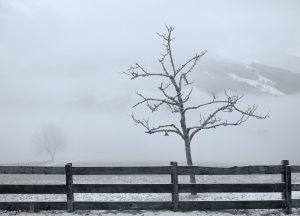
B&W images of fence and trees/
Clean composition makes this simplistic winter scene appealing – evoking the calm of a cold Christmas Day morning.  The fence acts as a base rather than a barrier in the image due to its position right at the bottom of the picture.

As photographers we strive to create an image that:

  1. Piques and maintains the viewer’s interest
  2. Guides the viewer around the image concentrating on the key subject
  3. Conveys the desired story or emotion
  4. Achieves the above in the simplest, most efficient manner.

Whilst my first post covered the rules of composition, I tend these days to think in terms of pictorial elements and how their placement contributes or otherwise towards a successful image.


I am always delighted to receive feedback, and feedback is essential for this project as a whole.  So, if you have any comments, ideas or suggestions, please post them below.

To see more posts on other photographic topics, or to follow my learning progress, please like or follow me on the social media channel of your choice to the right.
[Read more…]


Filed Under: Art Theory

Diptychs, Triptychs and Polyptychs

10/04/2019

Diptych, Triptych, Polyptych

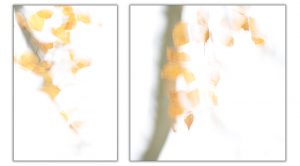
ICM Diptych
Came third in the Amersham Photographic Society’s December 2018 Print competition.

In the last year or so some of my most successful competition entries have been in the form of Diptych or Triptychs.  This post is an attempt to consolidate my thoughts regarding what makes a successful Diptych (Triptych or other Polyptych).

I define success as the whole being greater than the sum of the parts.  For example the picture to the right, which was roundly applauded in competition at the Amersham Photographic Society, consists of two sub-images which on their own are OK but too simplistic to hold the viewer’s attention for long.


As usual, if you have any questions or comments, please post them below.

To see more posts on other photographic topics, or to follow my learning progress, please like or follow me on the social media channel of your choice to the right.
[Read more…]


Filed Under: Art Theory, Photographic Technique

First Notes on the History of Photography as an Art Form

25/05/2018

“Is Photography Art?” The History of this Question

It strikes me that photographers of all eras have suffered a sense of insecurity as to whether what they are doing qualifies as art.

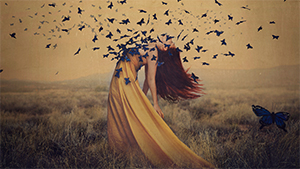
Stylistic image of woman and butterflies
by Brooke Shaden.  Top image when Googling “art photography”

The challenge of the early photographer was to elevate their art above that of a merely scientific process.  Today, this problem has largely been superseded by the need to separate the artistic from the mundane amidst the vast quantity of images produced by digital cameras everywhere.

The purpose of this post is a first attempt at assigning a historical context to the various photographic movements I have encountered and the styles or techniques associated with them. These include:

  • Pictorialism, i.e., “arty photography”
  • Modernism – experimental “wacky” stuff, influenced by cubism and surrealism
  • Californian Modernism – technically perfect straight natural photography
  • Reportage – shocking straight humanist photography
  • Late modernism – extreme abstraction, minimalism, conceptualism
  • Post-Modernism – constructed “snapshot” aesthetic; sometimes difficult for the untrained eye (I include myself here) to differentiate from images made by a child with a smartphone.

Although it is possible to indicate times when various approaches first appeared, or were most fashionable, many of these trends progressed in parallel, and are still around today.


Please help.

This is a long way from a comprehensive review of the major movements and is certainly a post I hope to revise over time.  If you have any comments or suggestions please add them below or the social media channel of your choice to the right.

Thank you.

[Read more…]


Filed Under: Art Theory

Composition – Early Thoughts

17/01/2018

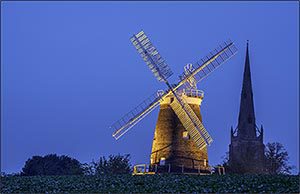
Thaxted Windmill and Church Spire
Thaxted Windmill and Church Spire – considered compositionally “poor.”

The composition of a photographic image is the author’s arrangement of elements within the image.

Photographically, composition is influenced by all aspect at the disposal of the photographer including: their position, framing of the image (both in camera and with subsequent cropping), and determining the zone of focus.

At the start of my 10,000 hour journey to become a better photographer, one area of weakness was (is) composition.  My Thaxted Windmill and Church Spire apparently is “poorly composed.”  In particular:

  • Two elements of roughly equal significance
  • Similar heights in the frame

The more I worked on this post, the more complicated it became.  So I’m just going to give mention to a number of important areas with a view to returning to them in greater detail in follow-up posts.

This is a topic I hope to review regularly. If you have any comments on this post, please post them below.

To see more posts on other photographic topics, or to follow my learning progress, please like or follow me on the social media channel of your choice to the right.
[Read more…]


Filed Under: Art Theory

Colour Theory – First Learnings

26/11/2017

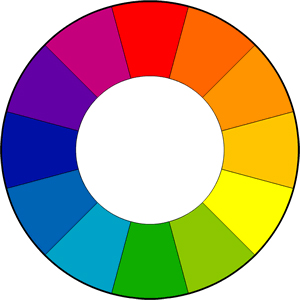
Standard Colour Wheel

Harmony in Colour

It seems that colours that look good together follow clearly defined rules.

Although colour theory and the associated psychology is a massive subject, the basic rules are fairly simple, and the simpler combinations are both easier to apply and seem to produce the best effects.

From a photography perspective, these rules can help:

  1. picking complementary colours for split-toning images in Lightroom
  2. using the Adobe Color Themes extensions in Photoshop for more subtle/ sophisticated treatments.

This is definitely a post that I expect to revisit in the future. So, if you have any ideas or thoughts, please post comments below.

To see more posts on other photographic topics, or to follow my learning progress, please like or follow me on the social media channel of your choice to the right.

[Read more…]


Filed Under: Art Theory

  • « Previous Page
  • 1
  • 2
  • 3
  • 4
  • Next Page »

Copyright © 2026 · Design by Boutique Studio ·

Copyright © 2026 · Style Stereo on Genesis Framework · WordPress · Log in